

 See My Latest Article on HelloNation
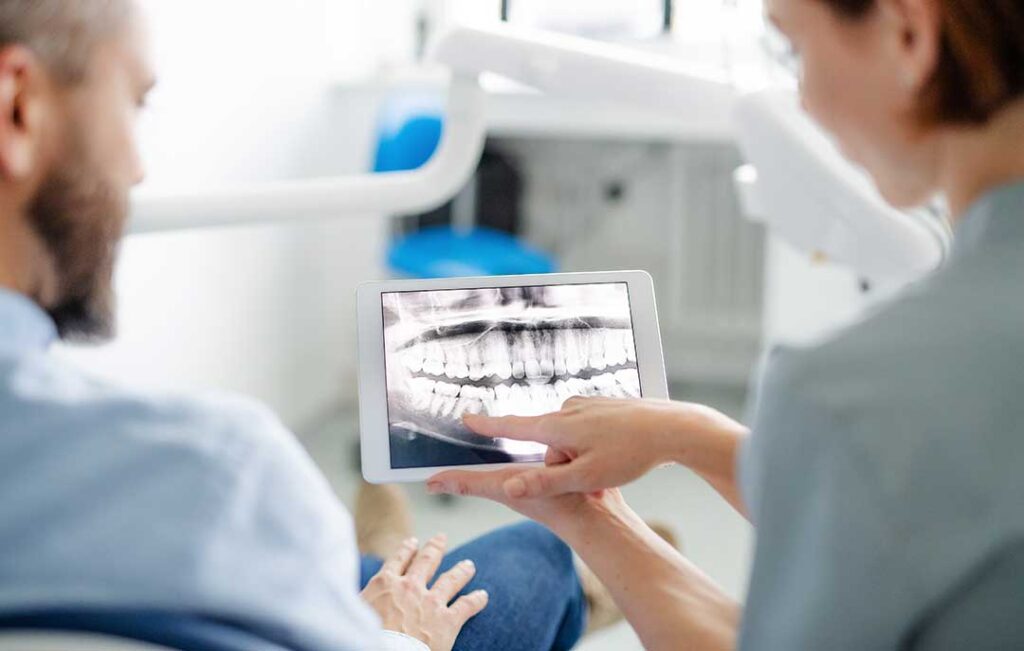
Can You Whiten Your Teeth at Home Without Damaging Them?
Yes, it’s possible to whiten your teeth safely at home with a few simple precautions and a good understanding of which methods are safe to try. Many local residents in Escondido, CA look for safe, convenient options that don’t risk sensitivity or enamel damage. Knowing which products and habits to avoid helps reduce the risk of long-term dental problems.
Whitening at home usually involves products and ingredients available at local stores or made from household supplies. Always check for the American Dental Association (ADA) Seal of Acceptance when possible, even on over-the-counter products. This helps verify that a product has been tested for both safety and effectiveness. Although home methods can be mild, it’s easy to use them too frequently or incorrectly, so being informed is key.
What Home Tooth Whitening Options Are Safe?
Safe options typically contain low concentrations of hydrogen peroxide or carbamide peroxide, which are proven to lighten stains on and below the tooth surface when used as directed. Residents commonly use:
- Whitening toothpaste formulated with gentle polishing agents or mild low-peroxide content.
- Whitening strips or gels from pharmacies, typically applied for short periods over several days.
- Simple lifestyle habits to minimize new stains, such as promptly brushing after drinks like coffee, tea, or red wine.
In warm areas like Escondido, hydration and frequent fruit consumption are common, but naturally acidic foods like citrus can soften enamel if teeth are brushed immediately afterward. Rinsing with water after fruit and waiting 30 minutes before brushing is a practical habit for local households.
Are DIY Methods Like Baking Soda or Activated Charcoal Safe?
Baking soda is mildly abrasive and can help with surface stains if used sparingly. However, daily use or heavy scrubbing risks wearing away enamel over time. Activated charcoal is more controversial, as it is often too abrasive and not recommended by most dental professionals for regular use.
Misconceptions persist online about other unconventional DIY approaches, like lemon juice or vinegar rinses. These acids erode enamel and should be avoided. Local residents sometimes ask about coconut oil pulling, but there’s no strong evidence it whitens teeth, though it is generally safe.
How Long Do Results Take With At-Home Whitening?
Results with safe, at-home whitening methods are gradual and depend on the product type and the starting shade of your teeth.
- Most over-the-counter whitening strips show an effect within 7–14 days.
- Whitening toothpastes may provide subtle changes after consistent use for two to six weeks.
- Baking soda use can remove surface stains within a week or two, but cannot change your natural tooth shade.
Environmental factors in Escondido, such as abundant sunlight and the locally popular iced drinks, may increase opportunities for staining. Regular touch-ups with gentle methods maintain brightness better than aggressive, infrequent treatments.
Can Sensitive Teeth Get Whiter Safely?
Sensitive teeth can be safely whitened at home, but it requires extra care. Use whitening products labeled for sensitivity, which contain lower peroxide concentrations and are designed to minimize irritation. Avoid using abrasive materials and limit treatments to the shortest effective time.
If you’re prone to gum irritation, consider using soft trays or products with less contact to gums. While tap water in Escondido is fluoridated and generally non-irritating, additional fluoride toothpaste may help harden the surface enamel and reduce post-whitening discomfort.
What Habits Make a Difference for Maintaining White Teeth?
Effective whitening at home is more about maintenance than instant transformation. Residents often overlook how routine care protects their results longer than repeated whitening attempts.
Tips for maintaining brightness in the city:
- Brush twice daily with a gentle whitening toothpaste.
- Use a straw for drinks that stain.
- Rinse with water after coffee, wine, or foods like berries.
- Chew sugar-free gum to stimulate saliva, which naturally protects enamel.
- Wait at least 30 minutes to brush after acidic meals or fruit.
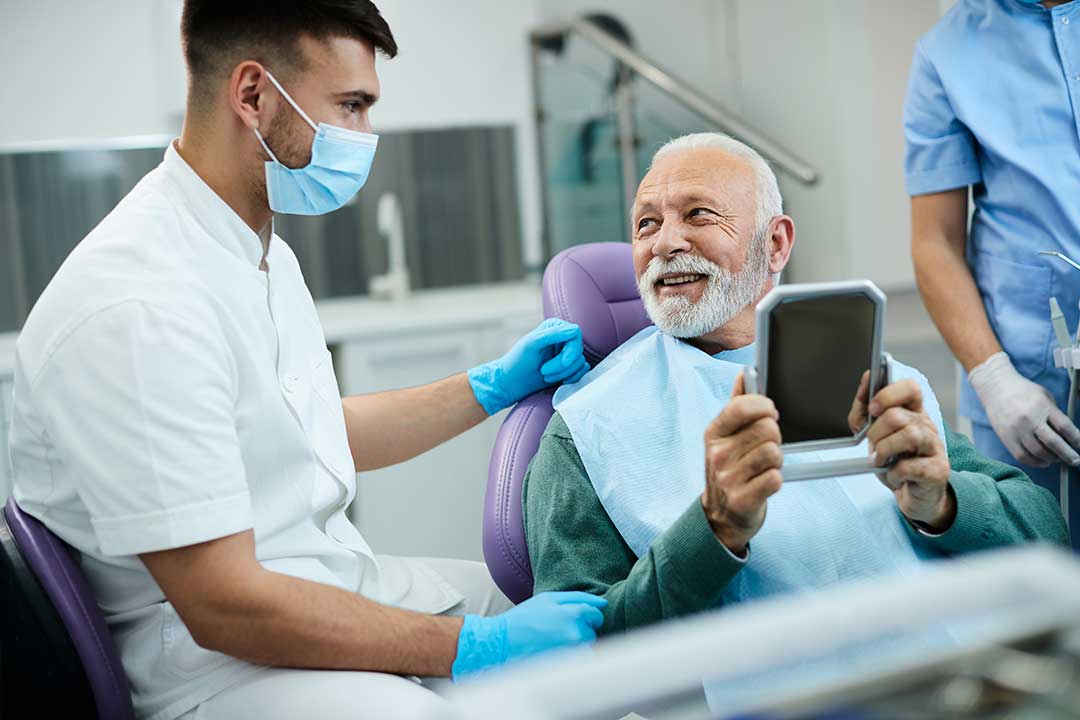
Escondido’s active community lifestyle means social events or outdoor gatherings often include staining foods and drinks, so practical habits like bringing a travel toothbrush or rinsing after meals are especially relevant.
When Should You Avoid At-Home Whitening?
It’s best to avoid any whitening if you have untreated cavities, gum disease, or cracked teeth, as these conditions can cause pain or worsen with whitening agents. People with dental restorations like crowns or veneers should also know these materials won’t lighten.
Pregnant or breastfeeding individuals are generally advised to wait before starting any new whitening treatment. If you notice new sensitivity, pain, or gum irritation, stop and check your oral health before resuming treatment.
Common Misconceptions About At-Home Whitening
Not every at-home hack is safe. Misunderstandings in online advice and viral trends sometimes lead to irreversible damage. For example:
- Using strong acids (lemon juice, vinegar) promises fast results but destroys enamel.
- Brushing with salt or rough powders can make teeth look yellower by thinning the enamel.
- Overusing strips or gels, or sleeping with whitening trays, increases risk of irritation and permanent sensitivity.
Local residents sometimes ask if drinking more water helps whiten teeth; while it reduces surface staining by washing away debris, it won’t lighten your natural tooth color.
How Can You Tell If Whitening Is Working?
If your teeth appear gradually lighter and you experience no discomfort, the process is likely working as intended. Take a photo before starting as a reference point, since gradual changes are easy to overlook.
Improvement is most noticeable for yellowish stains from foods or drinks, rather than gray or brown discoloration, which may require professional treatment. Healthy teeth and gums feel comfortable both during and after whitening. If anything feels wrong or you notice increased sensitivity lasting more than a few days, pausing treatment is the safest option.