

 See My Latest Article on HelloNation

Gum disease is an infection and inflammation of the tissues that support the teeth. It often begins quietly with plaque buildup, but untreated disease can damage the gums, jawbone, and other structures that keep teeth stable. The good news is that early gum disease is usually preventable and reversible with consistent daily care and routine dental monitoring. ([cdc.gov](https://www.cdc.gov/oral-health/about/gum-periodontal-disease.html?utm_source=openai))
What exactly is gum disease?
Gum disease, also called periodontal disease, develops when bacteria in plaque irritate the gums. Plaque is a sticky film that forms on teeth throughout the day. If it is not removed, it can harden into tartar, also called calculus. Brushing and flossing can remove plaque, but tartar requires professional cleaning instruments. ([cdc.gov](https://www.cdc.gov/oral-health/about/gum-periodontal-disease.html?utm_source=openai))
The condition usually progresses in stages:
- Gingivitis: The gums become red, swollen, tender, or prone to bleeding. Gingivitis does not involve the bone supporting the teeth and can often be reversed.
- Periodontitis: Inflammation extends deeper around the teeth. Gums may pull away from the teeth, creating pockets where bacteria collect. Over time, supporting bone and tissue can be destroyed.
Periodontitis cannot be fully reversed because lost bone does not simply grow back, but treatment can slow or manage the disease. It is also a major cause of tooth loss in adults. ([cdc.gov](https://www.cdc.gov/oral-health/about/gum-periodontal-disease.html?utm_source=openai))
What are the early warning signs?
Bleeding during brushing or flossing is not usually something to ignore. It may indicate inflammation, especially if it happens repeatedly.
Other possible signs include:
- Red, swollen, shiny, or tender gums
- Persistent bad breath or a bad taste
- Gums that appear to be pulling away from the teeth
- Teeth that feel loose or increasingly sensitive
- Pain when chewing
- Changes in the way the teeth fit together
- A partial denture that no longer fits as it once did
Gum disease can become advanced before it causes significant pain. That is why waiting for discomfort is not a reliable way to judge gum health. Routine examinations can identify inflammation, gum pockets, tartar, and bone changes earlier. ([cdc.gov](https://www.cdc.gov/oral-health/about/gum-periodontal-disease.html?utm_source=openai))
How can gum disease be prevented at home?
The central goal is to remove plaque before it hardens and irritates the gums. A practical routine includes brushing twice a day and cleaning between the teeth every day.
Use a soft-bristled toothbrush and fluoride toothpaste. Brush for about two minutes, using gentle pressure along the gumline rather than scrubbing forcefully. Brushing too hard can irritate the gums and contribute to tooth sensitivity without removing plaque more effectively.
Cleaning between the teeth is also necessary because a toothbrush cannot reach every surface. Options include:
- Traditional dental floss
- Interdental brushes
- Dental picks designed for between-teeth cleaning
- A water flosser, when appropriate for the person’s needs
The best tool is one that can be used consistently and safely. Floss should be guided gently against the side of each tooth rather than snapped into the gums. Interdental cleaners may be easier for people with braces, bridges, wider spaces, or limited hand control. ([nidcr.nih.gov](https://www.nidcr.nih.gov/health-info/gum-disease/ask-the-expert?utm_source=openai))
Does bleeding mean someone should stop flossing?
Usually, no. Bleeding can occur because inflamed gums are sensitive to contact. Avoiding the area may allow plaque and inflammation to continue. Gentle daily cleaning often helps reduce bleeding caused by gingivitis.
However, heavy bleeding, persistent bleeding, pus, swelling, significant pain, or loose teeth should be evaluated. These symptoms may indicate more advanced disease or another oral health problem.
How do tobacco use and diabetes affect gum health?
Tobacco use raises the risk of gum disease and can make it harder for infected gums to heal. This includes cigarettes, cigars, pipes, and smokeless tobacco. Smoking can also reduce the visible signs of inflammation, meaning a person may not notice how serious the condition has become. ([cdc.gov](https://www.cdc.gov/tobacco/campaign/tips/diseases/periodontal-gum-disease.html?utm_source=openai))
Diabetes is another important risk factor. Elevated blood sugar can make it harder for the body to fight infection, while gum inflammation can make blood sugar management more difficult. People with diabetes may need a more individualized preventive-care schedule and should keep both oral care and blood sugar management consistent. ([cdc.gov](https://www.cdc.gov/oral-health/about/gum-periodontal-disease.html?utm_source=openai))
Pregnancy, hormonal changes, certain medications, genetics, stress, teeth grinding, and conditions that cause dry mouth can also influence gum health. Residents in Escondido may notice dry-mouth symptoms during warm, dry conditions or when indoor air reduces moisture. Drinking water regularly and discussing medication-related dryness with a medical or dental provider can help address the underlying problem.
How often are cleanings and checkups needed?
Many adults benefit from at least one dental checkup each year, but the appropriate interval varies. People with a history of periodontitis, diabetes, tobacco use, significant tartar buildup, or other risk factors may need more frequent monitoring and professional cleanings.
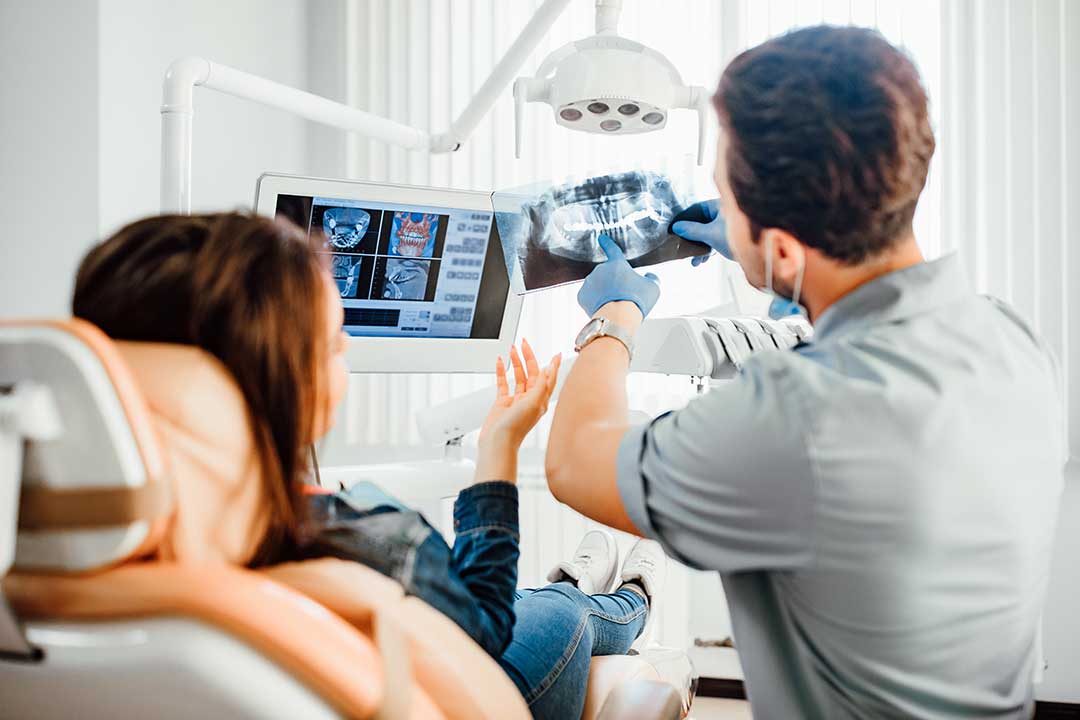
A cleaning removes tartar that cannot be removed at home. An examination may include measurements around the gums, evaluation of bleeding and recession, and X-rays when needed to assess supporting bone. These steps help distinguish temporary gingivitis from periodontitis that requires more involved care. ([cdc.gov](https://www.cdc.gov/oral-health/about/gum-periodontal-disease.html?utm_source=openai))
Can gum disease be treated?
Early gingivitis may improve with better brushing, daily between-teeth cleaning, and professional removal of plaque and tartar. Periodontitis may require treatment below the gumline, commonly called scaling and root planing. Depending on severity, care may also involve medication, a specialized periodontal evaluation, or surgery.
Treatment is not a substitute for home care. Bacteria begin forming plaque again soon after cleaning, so long-term control depends on maintaining the daily routine and following the recommended monitoring schedule. ([nidcr.nih.gov](https://www.nidcr.nih.gov/health-info/gum-disease?utm_source=openai))
What should prompt prompt attention?
Seek timely dental evaluation for loose teeth, facial swelling, severe pain, pus, a persistent ulcer, fever, or difficulty swallowing or breathing. These symptoms may signal an infection or another condition requiring prompt care.
For most people, prevention is straightforward: brush twice daily, clean between teeth daily, avoid tobacco, manage diabetes and dry mouth, and keep regular preventive visits. Recognizing bleeding or swelling early gives residents more opportunity to address inflammation before it progresses to permanent support loss.